Quinlans Property
Part of the Quinlans Group
Trusted builders delivering complete property projects since 2005
Now taking on new projects in Staffordshire and Shropshire
About Us
Top Roofing Contractors in Greater Manchester
At Quinlans Property, we are more than just a roofing company; we are your trusted partners in protecting what matters most. With [number] years of industry expertise, we specialize in delivering high-quality roofing solutions tailored to meet your unique needs. Whether it's residential roof repairs, commercial installations, or emergency services, our dedicated team of professionals is committed to excellence in every project we undertake.
OUR SERVICES

Affordable Pricing for New and Replacement Roofs
Discover cost-effective solutions for new roof installations and replacements. We offer competitive pricing without compromising on quality, ensuring your home receives a durable and reliable roof.
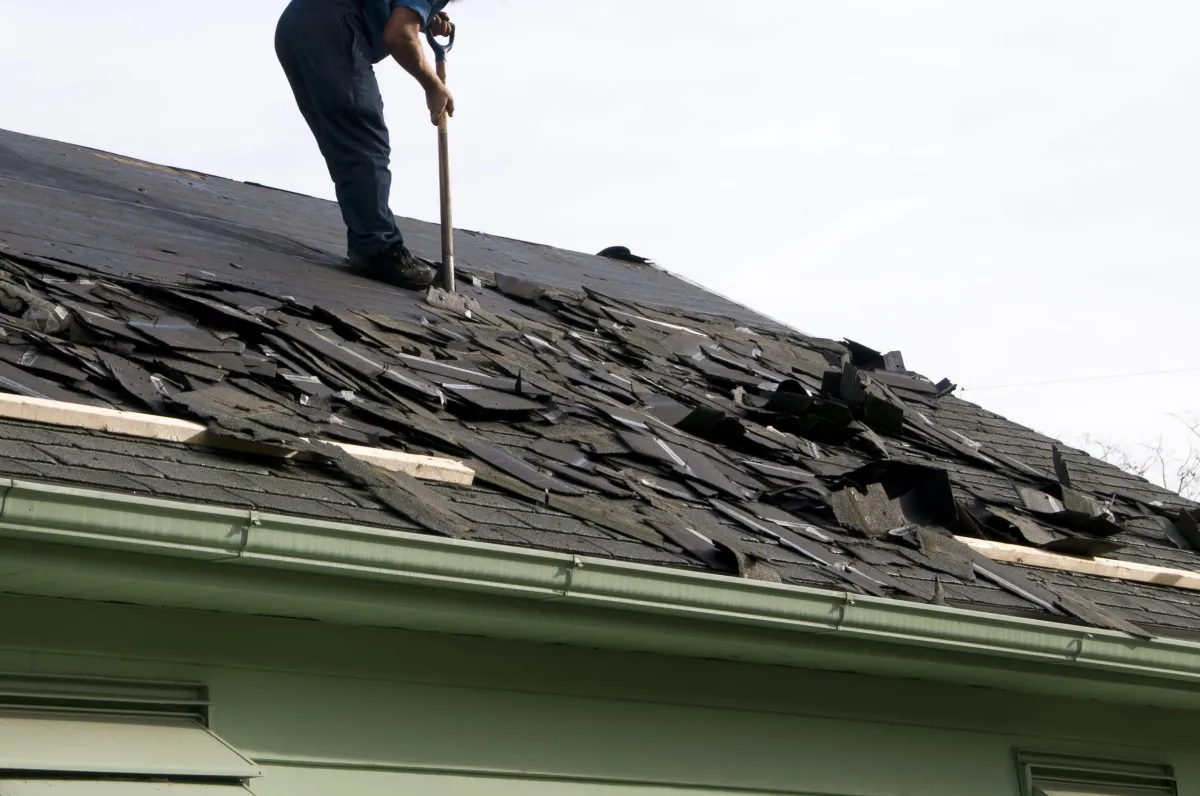
Roof Repairs for Hail and Storm Damage
Count on us for swift and effective repairs from hail and storm damage. Our expert team restores your roof's integrity, providing peace of mind and safeguarding your home against the elements.
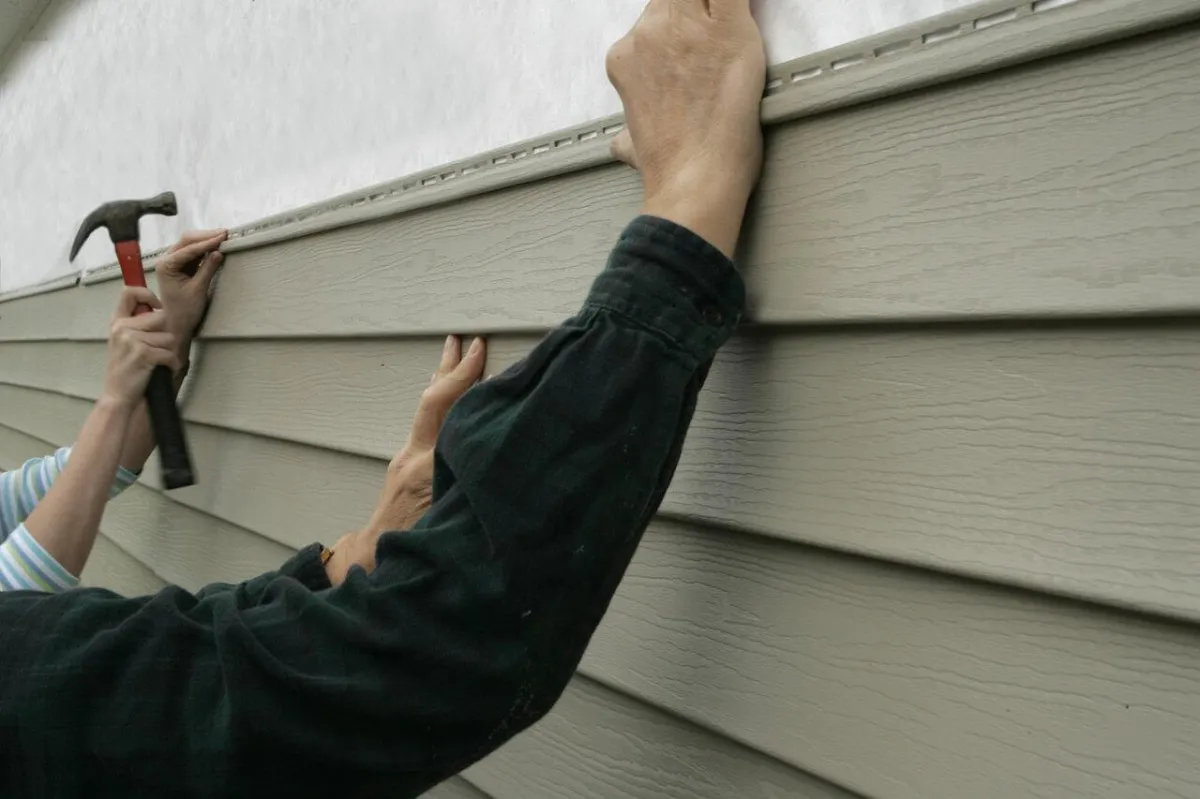
Vinyl Exterior Siding: Maintenance-Free
Enhance your home's curb appeal with maintenance-free vinyl exterior siding. Enjoy lasting beauty and durability without the hassle of upkeep, perfect for busy homeowners seeking quality and convenience.
WHAT DO WE OFFER?
Comprehensive Building Services
We help bring your building project to life from start to finish. Whether something needs fixing or building from the ground up, we take care of everything so you don’t have to. From skips and scaffolding to the building work itself, we manage the whole job and see it through to completion.
"Overall the lads did a great job, and left everything super clean and tidy. Would definitely use again and wouldn’t hesitate to recommend."
-Rob M
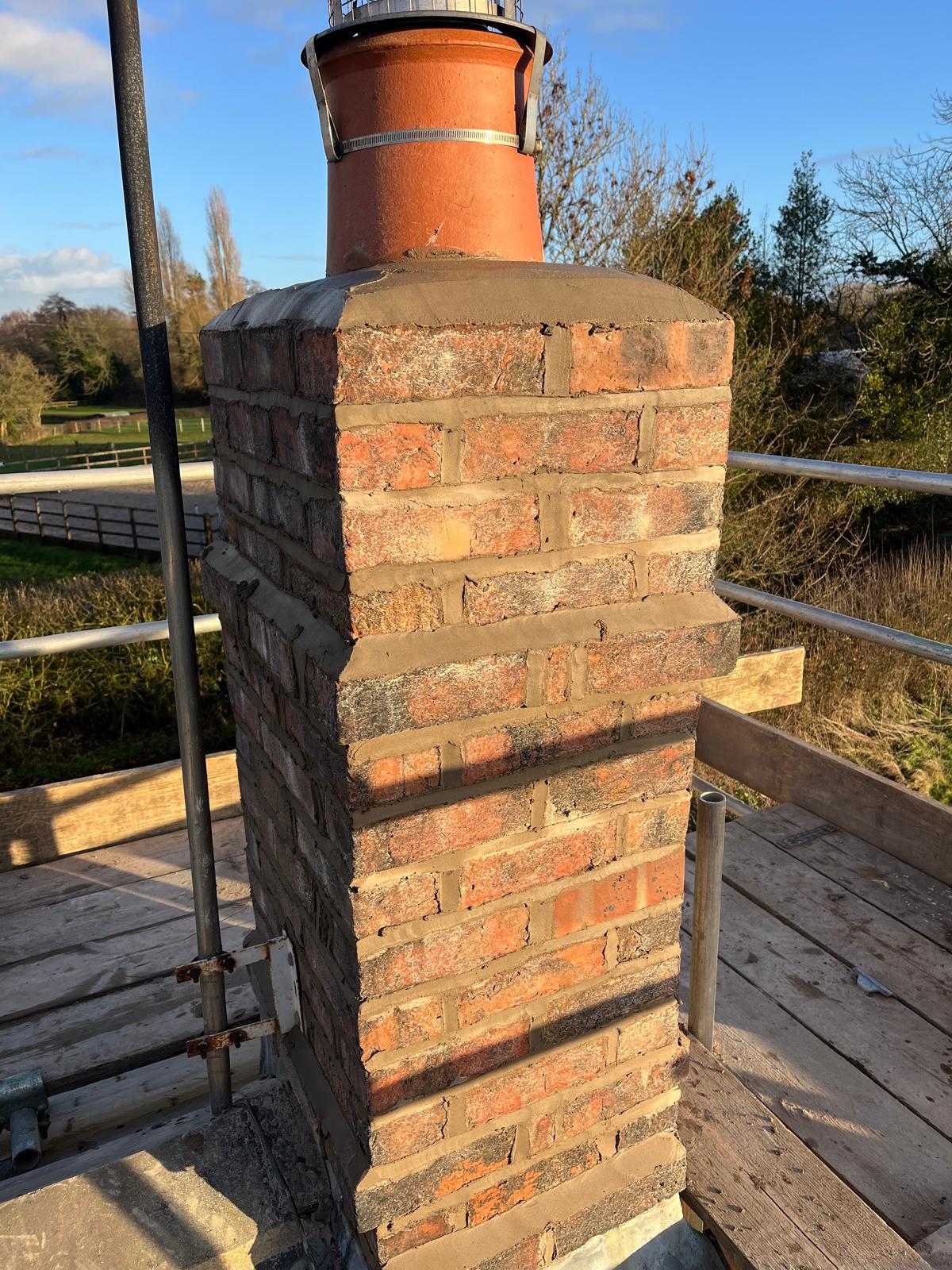
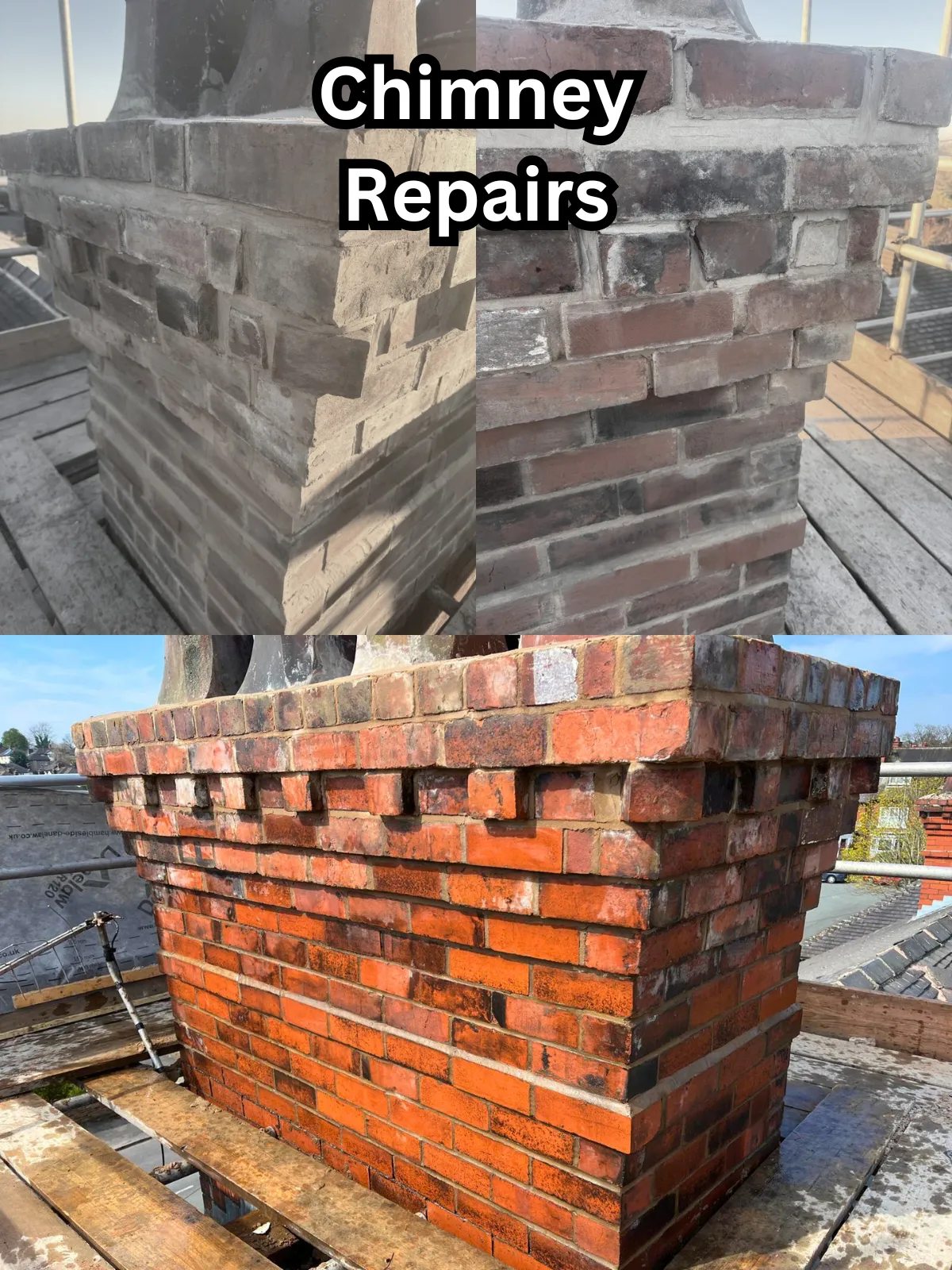
Chimney repairs
We carry out professional chimney repairs to fix damaged brickwork, repoint joints, and restore structural stability, helping protect your home from water ingress and long-term weather damage.
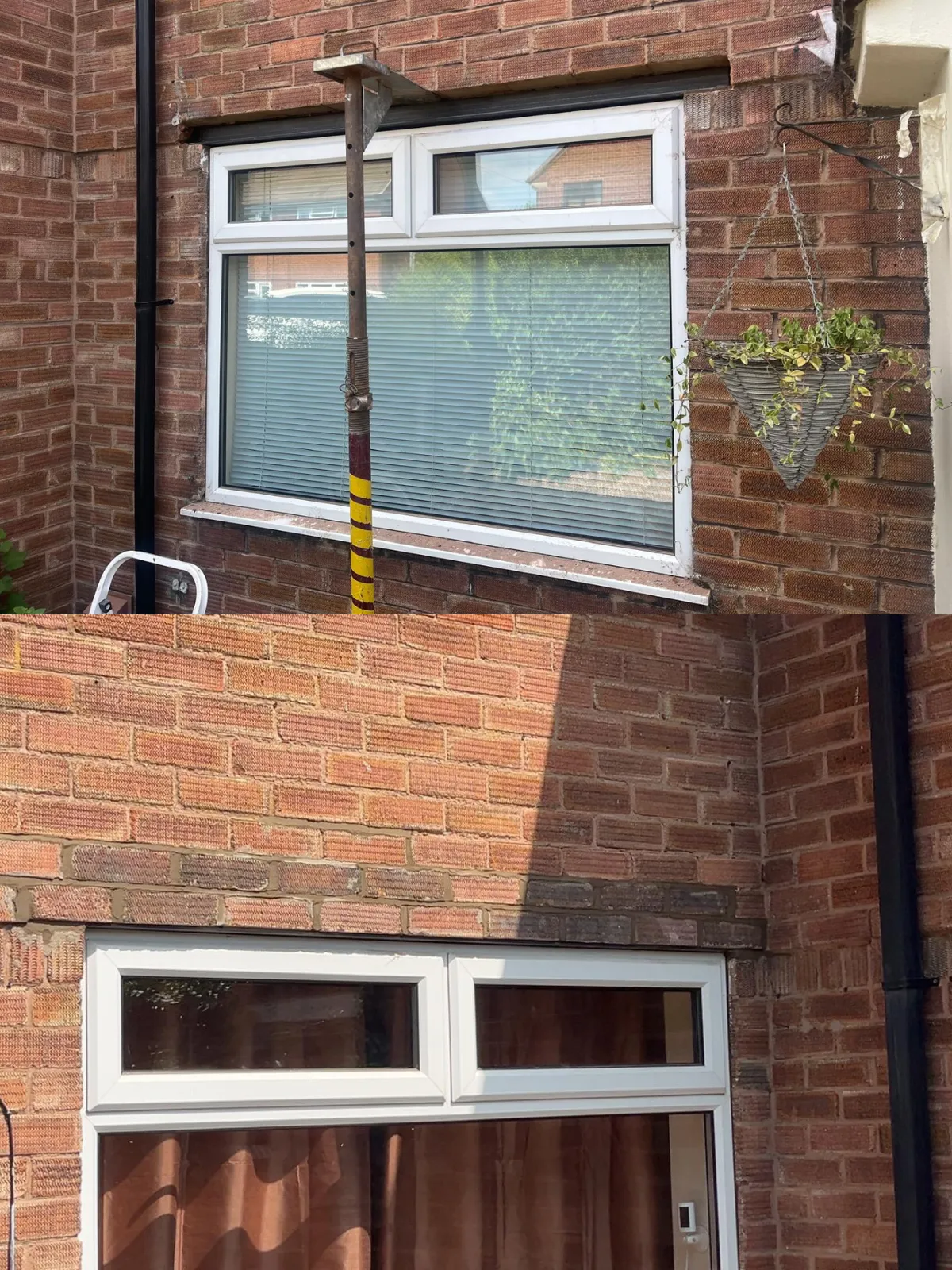
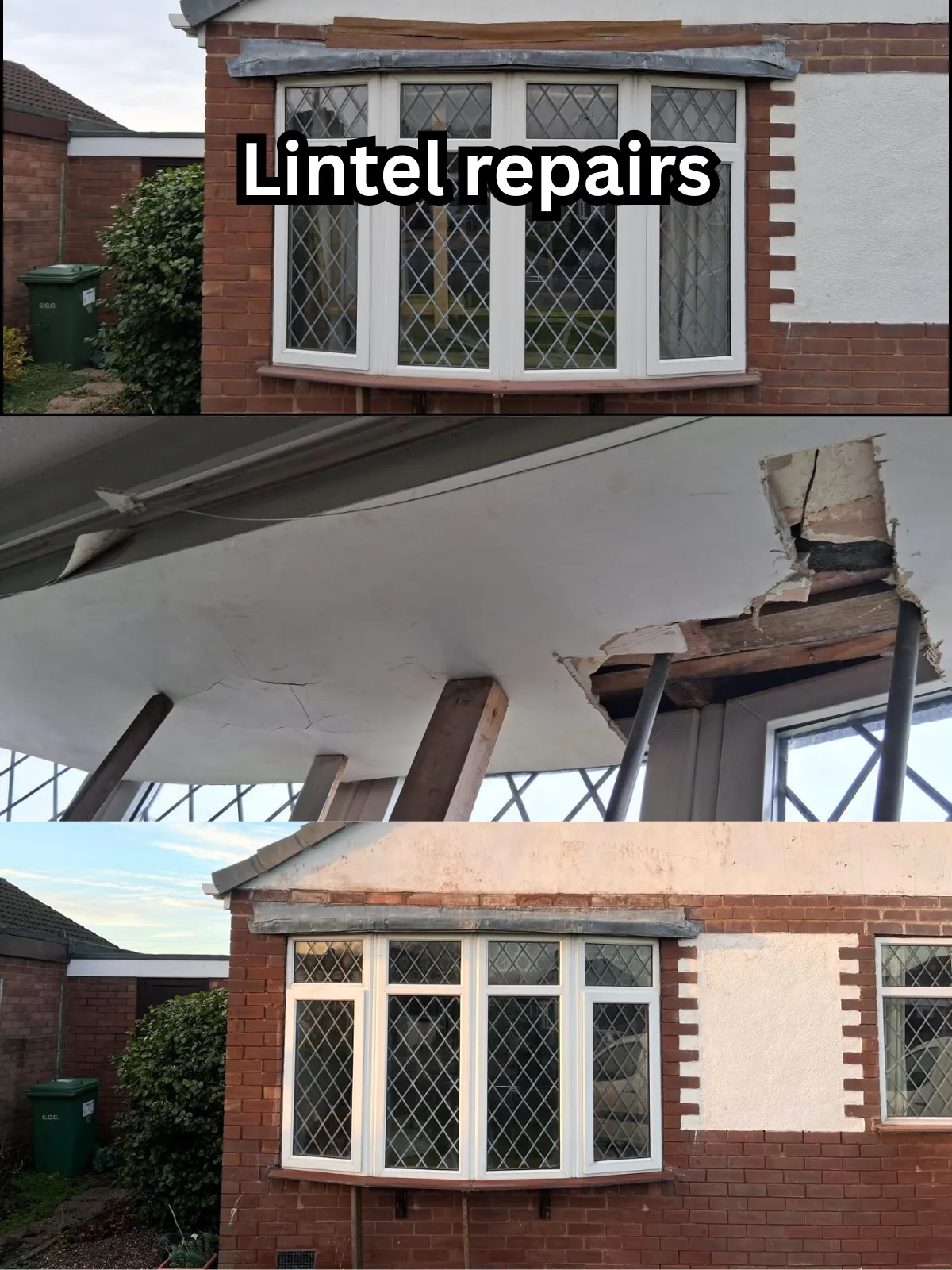
Lintel repairs
We provide expert lintel repairs and replacements to restore structural support above doors and windows, prevent cracking and movement, and ensure your brickwork remains safe and secure.
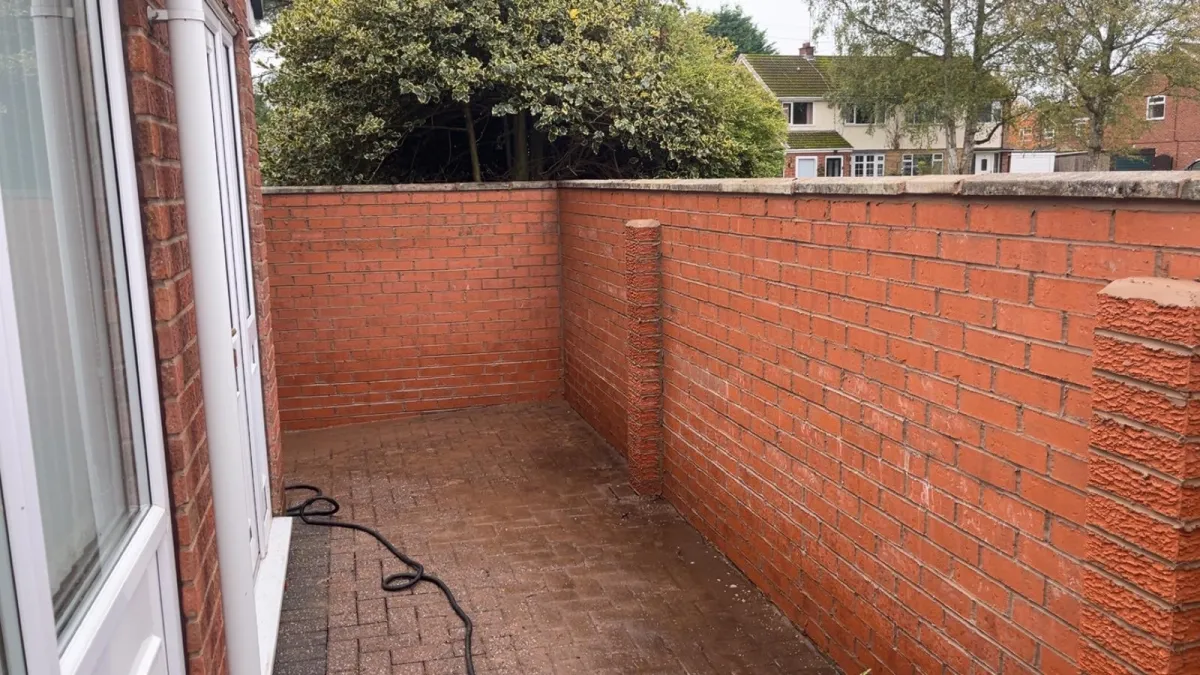
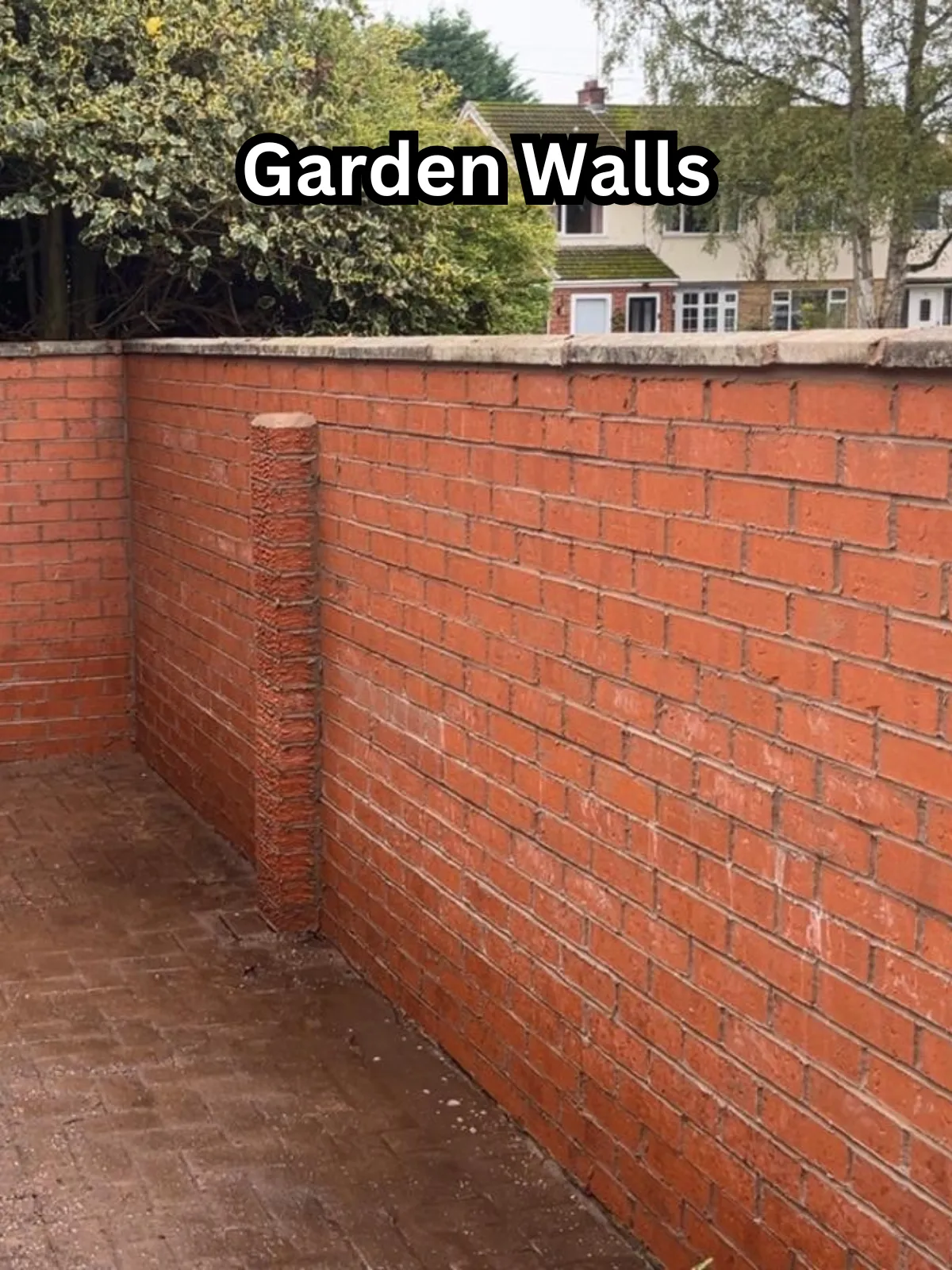
Garden Walls
We build and repair garden walls with solid footings and correctly bonded brickwork, fixing cracks, movement, and damage to leave a wall that’s strong, straight, and built to last.
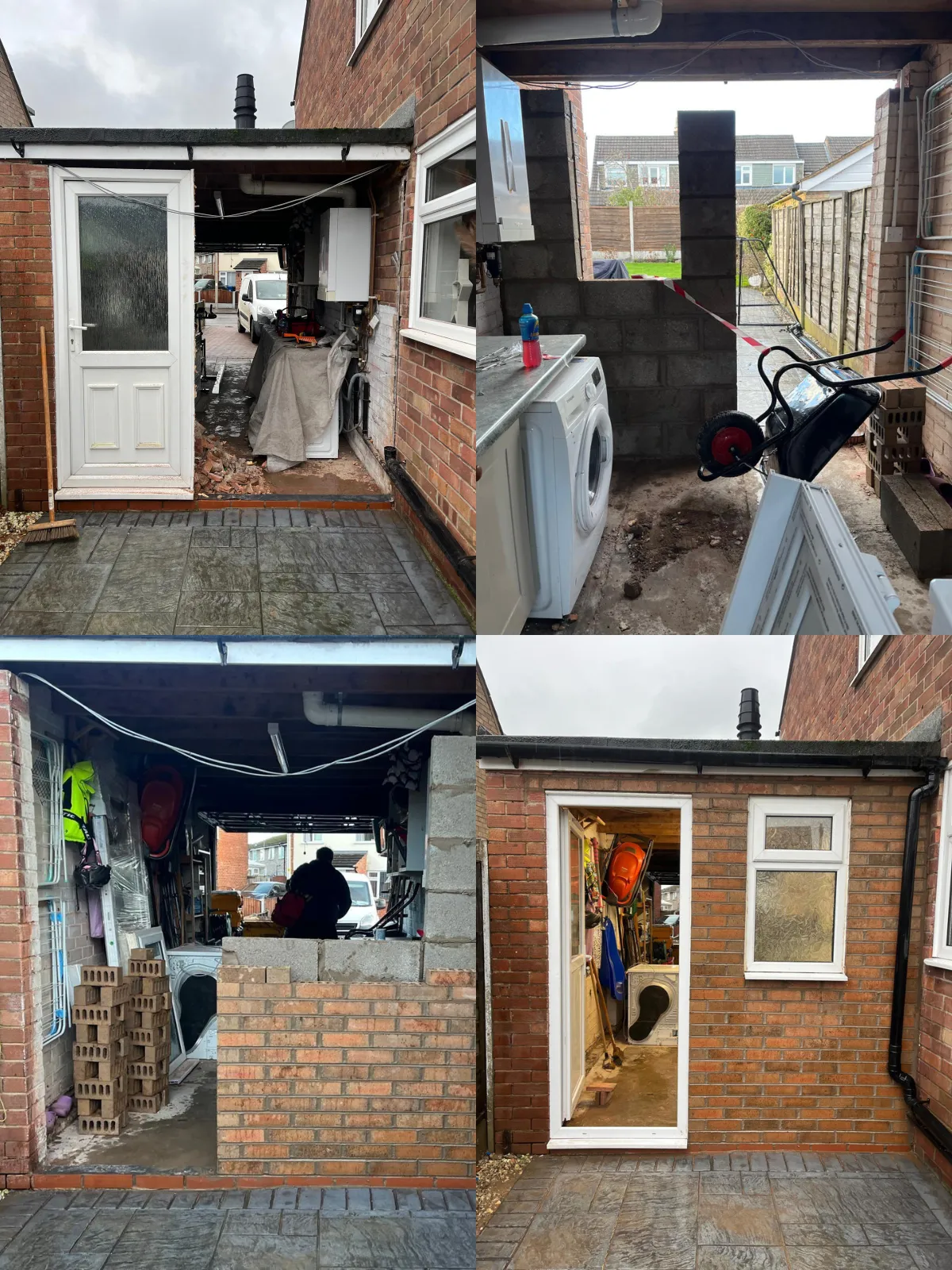
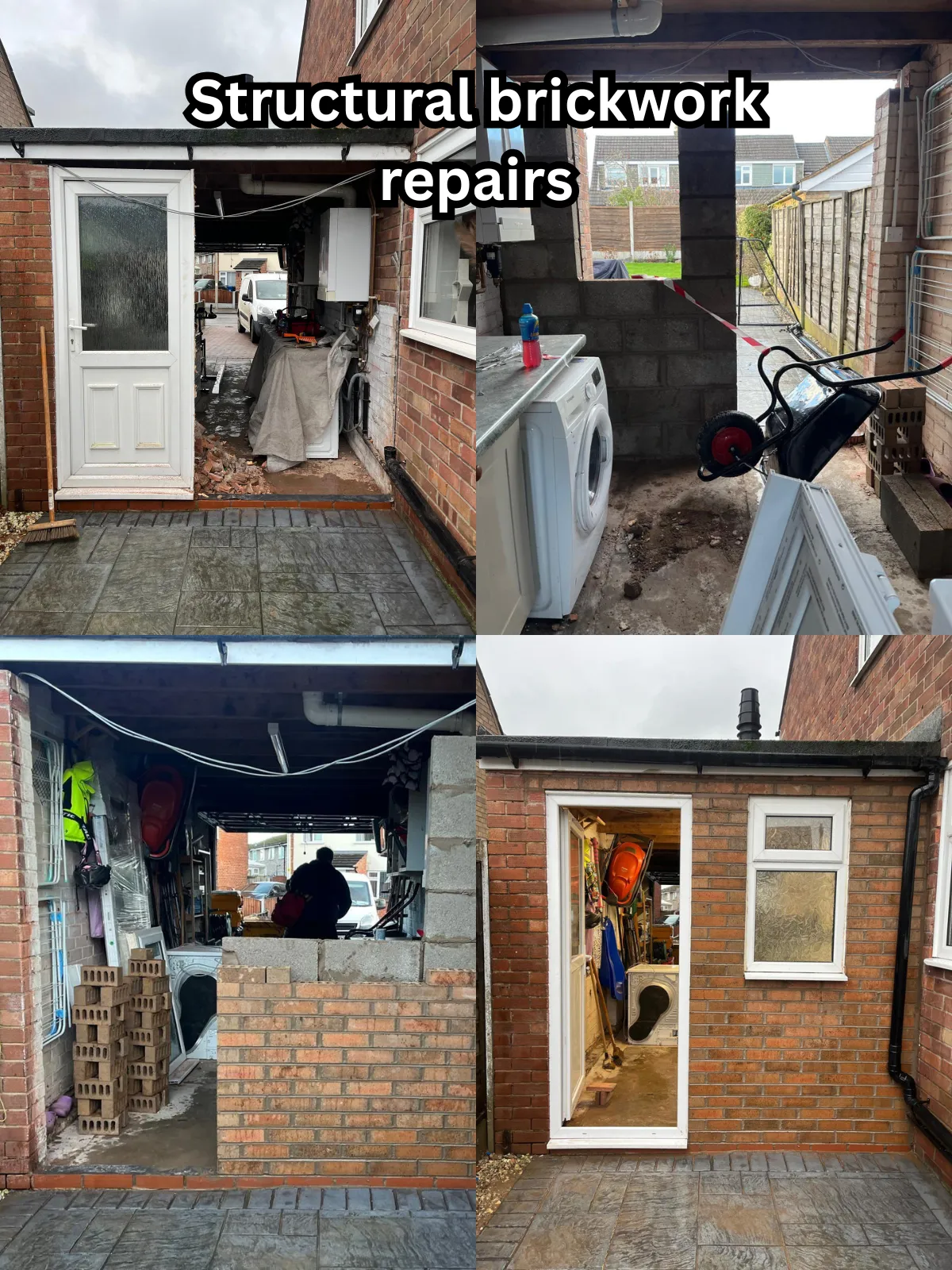
Structural brickwork repairs
We carry out structural brickwork repairs to fix cracking, movement, and weakened masonry that can affect the stability of your property. Our work restores strength and load-bearing integrity while blending seamlessly with the existing brickwork.
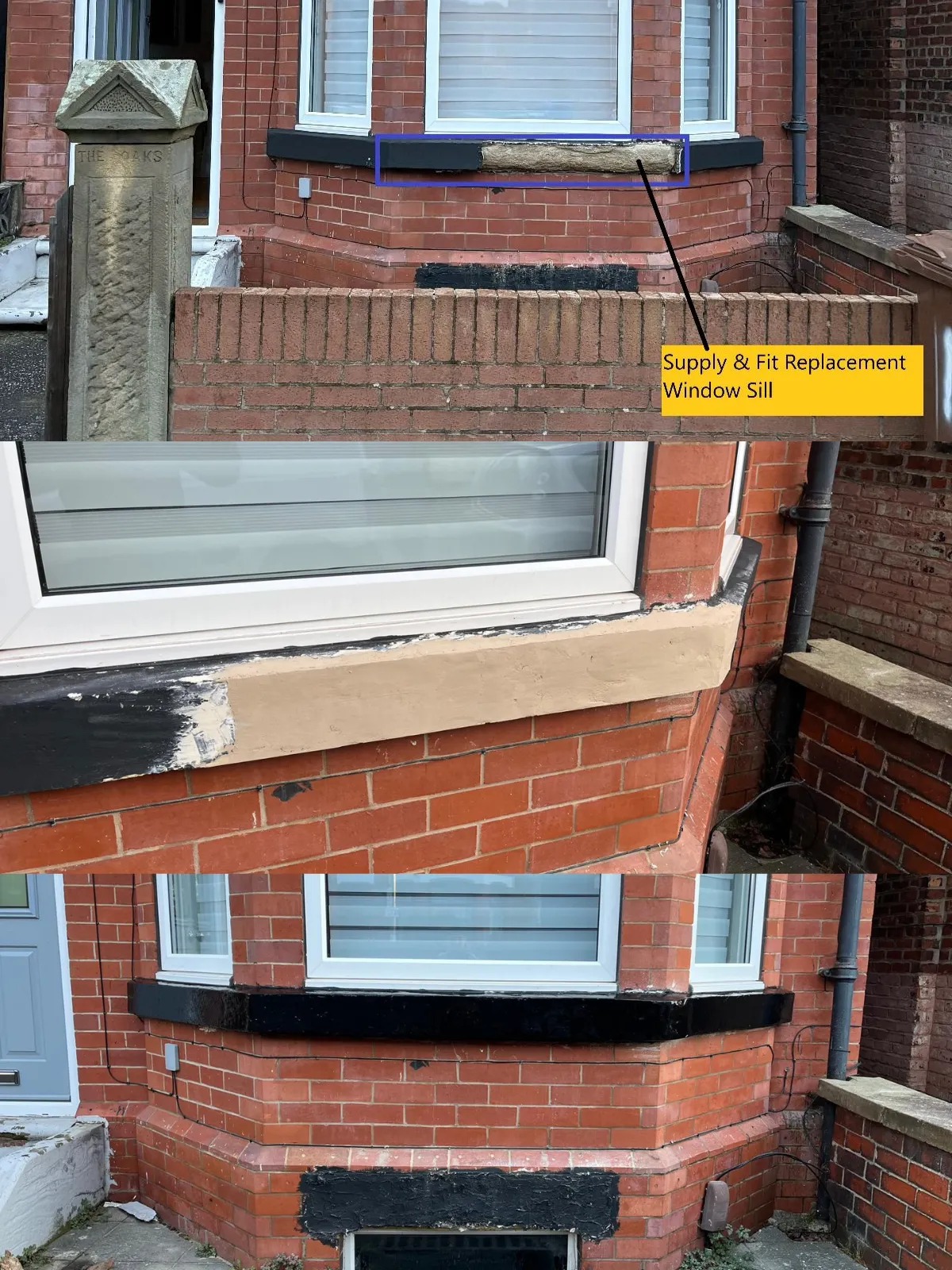
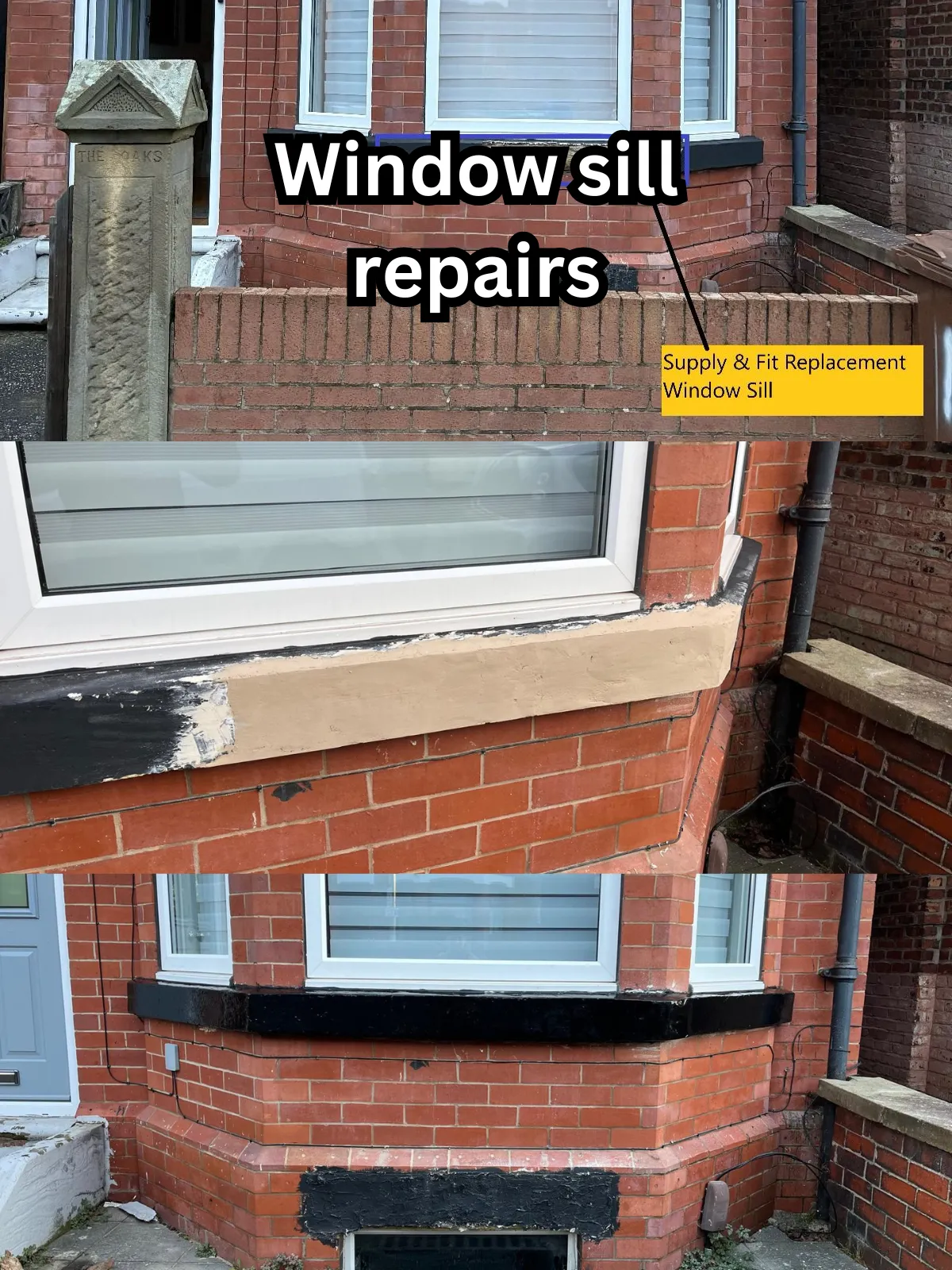
Window sill repairs
We carry out external window sill repairs to fix cracked, damaged, or weathered sills that allow water to penetrate the brickwork. Our repairs restore proper runoff, protect the surrounding masonry, and leave a clean, durable finish that lasts.
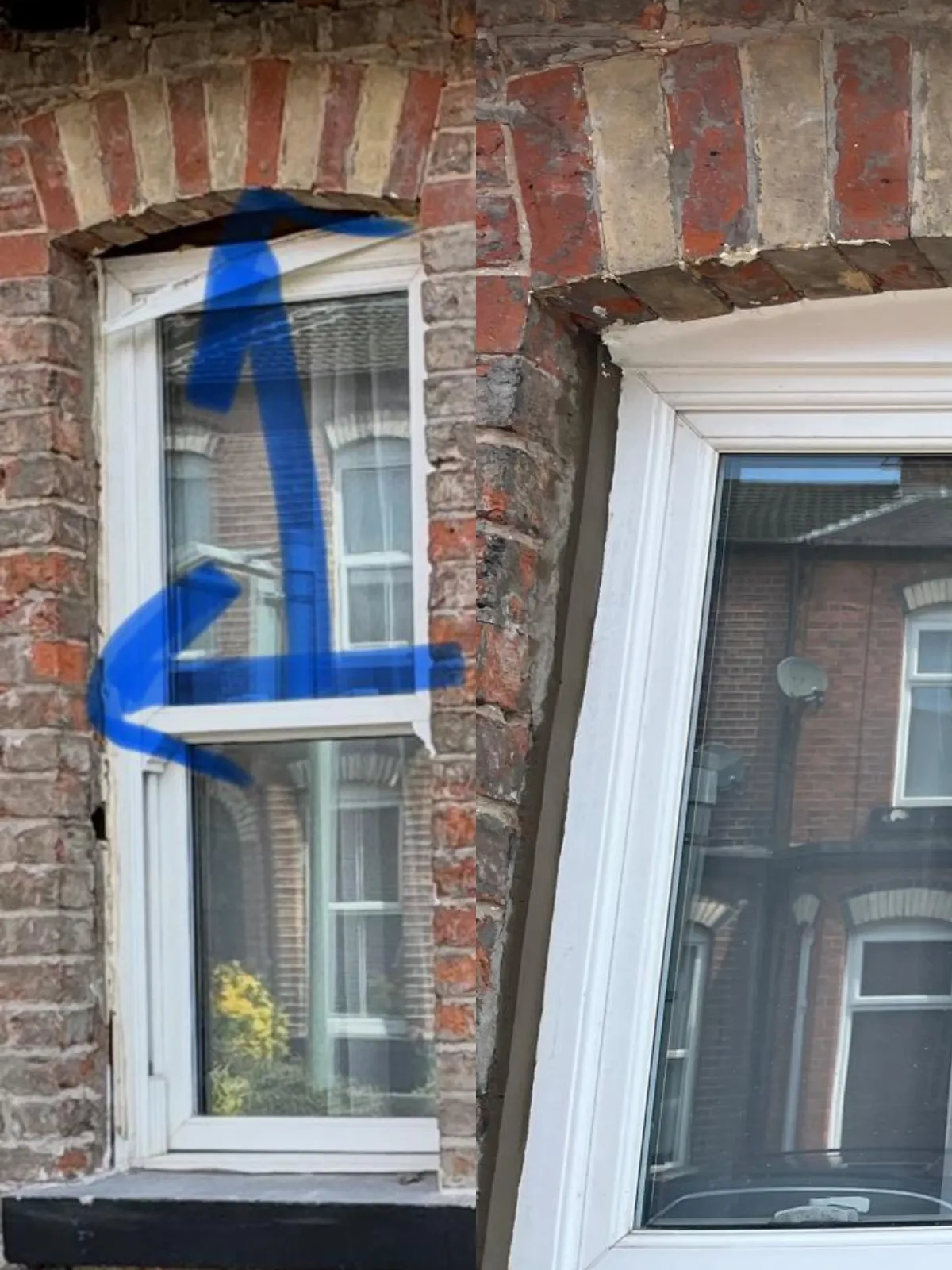
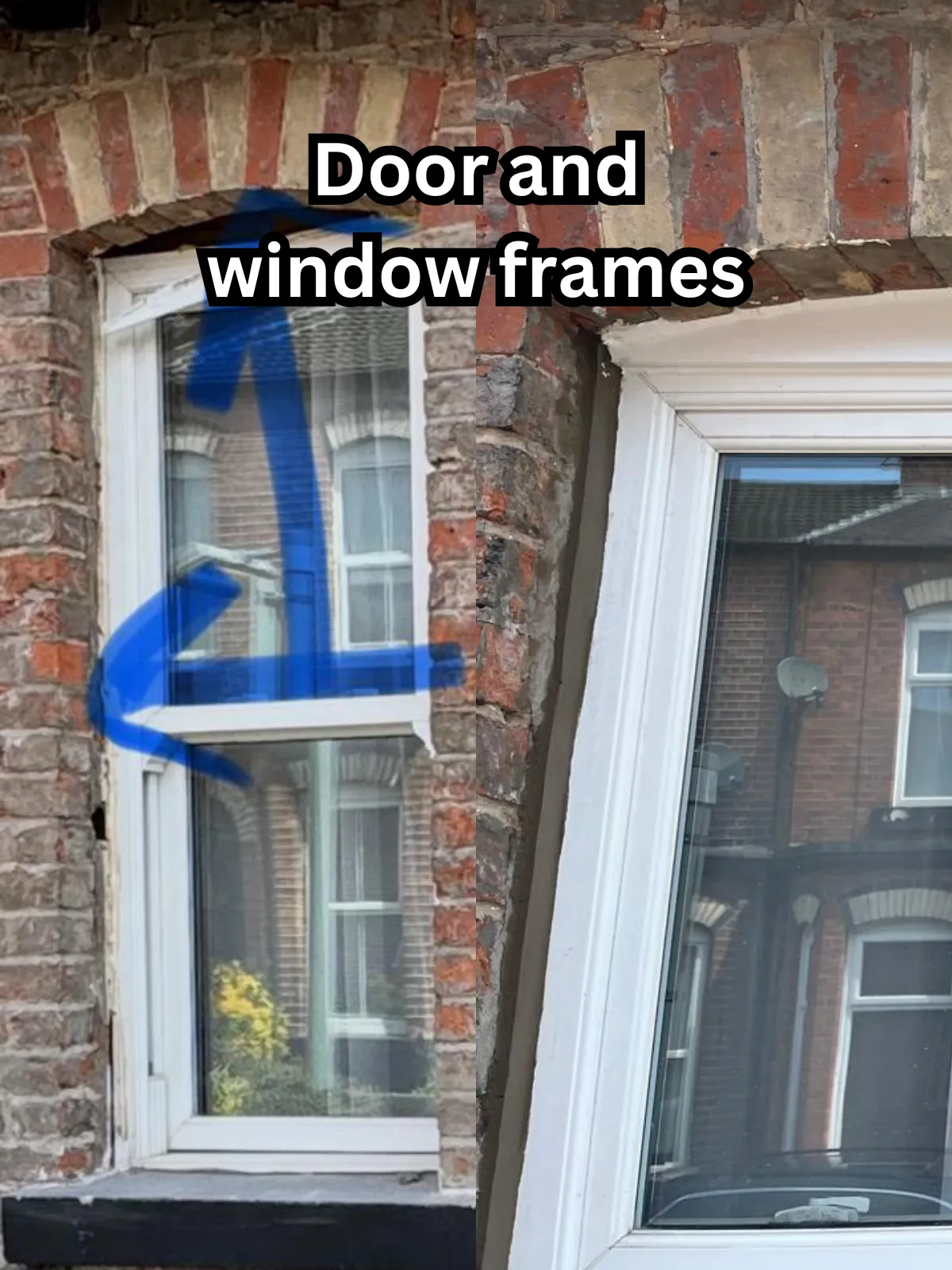
Door and window frames
We carry out external door and window frame repairs to fix rot, damage, and failed seals that can lead to drafts and water ingress. Our work restores strength, weather protection, and a clean finish to keep your property secure and well insulated.
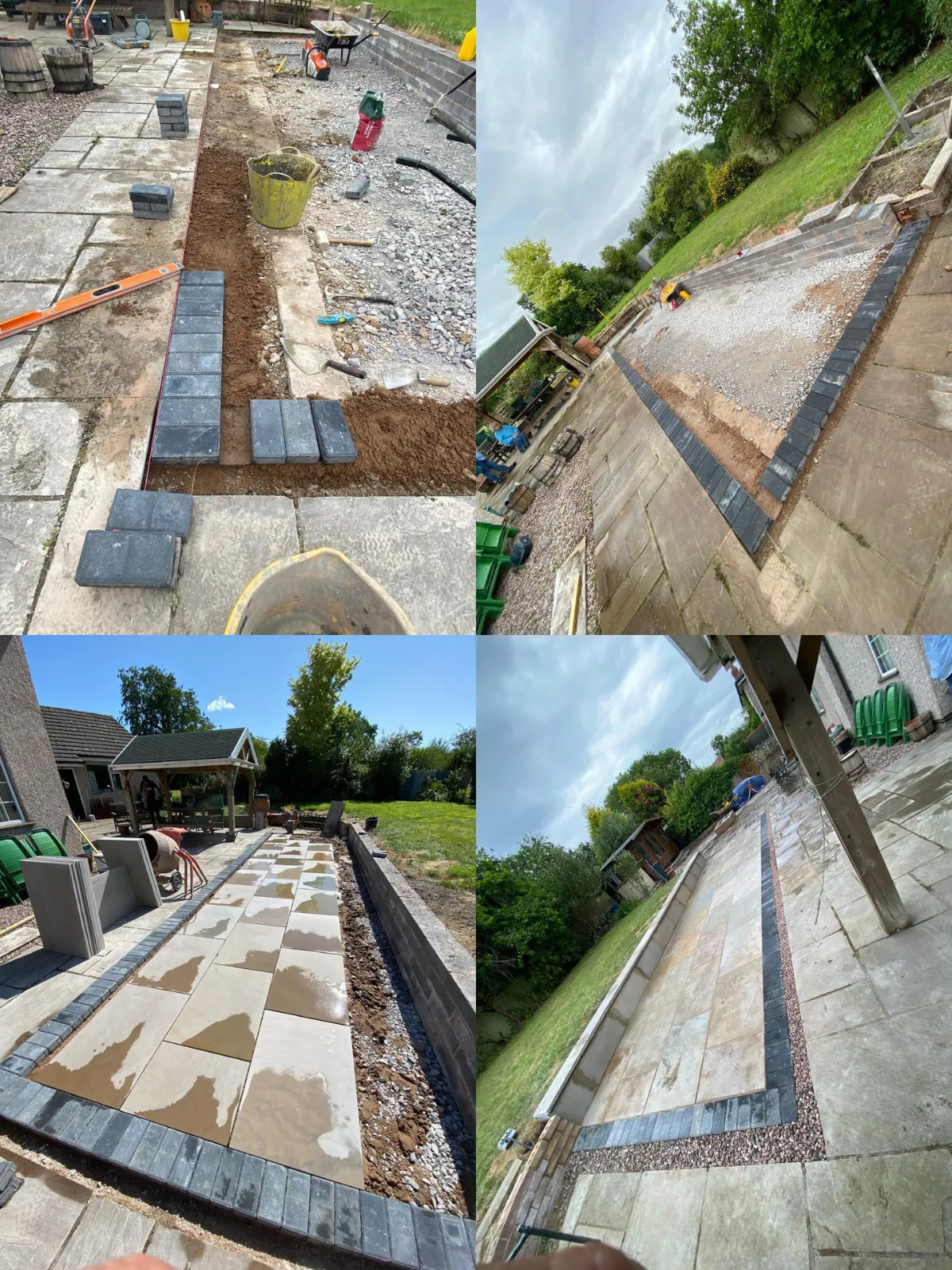
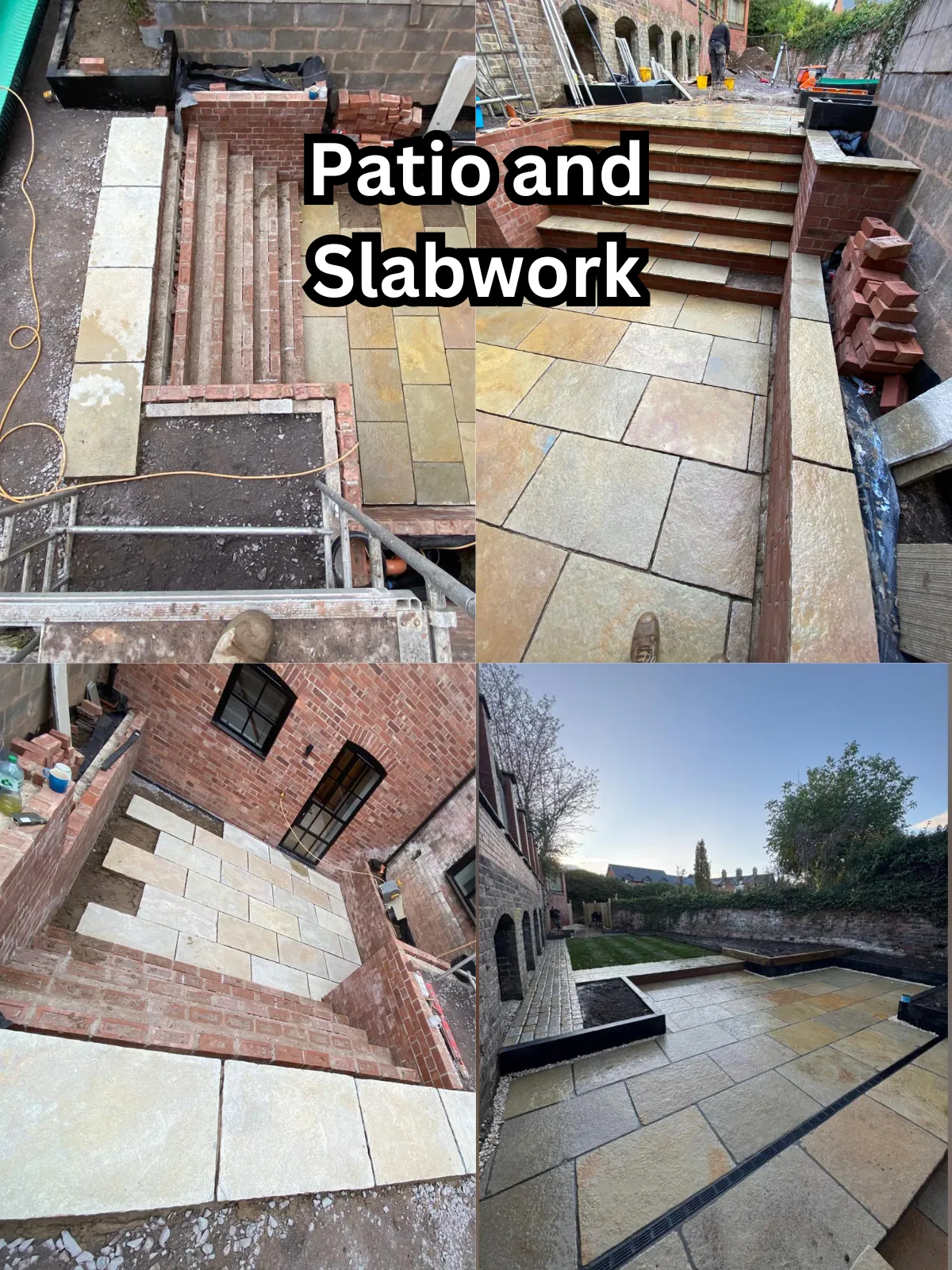
Patio and slab work
We carry out patio and slab work to fix uneven, sunken, or worn paving and to install new, properly prepared surfaces. Our work improves drainage, stability, and appearance, creating a durable outdoor space built for everyday use and entertaining.
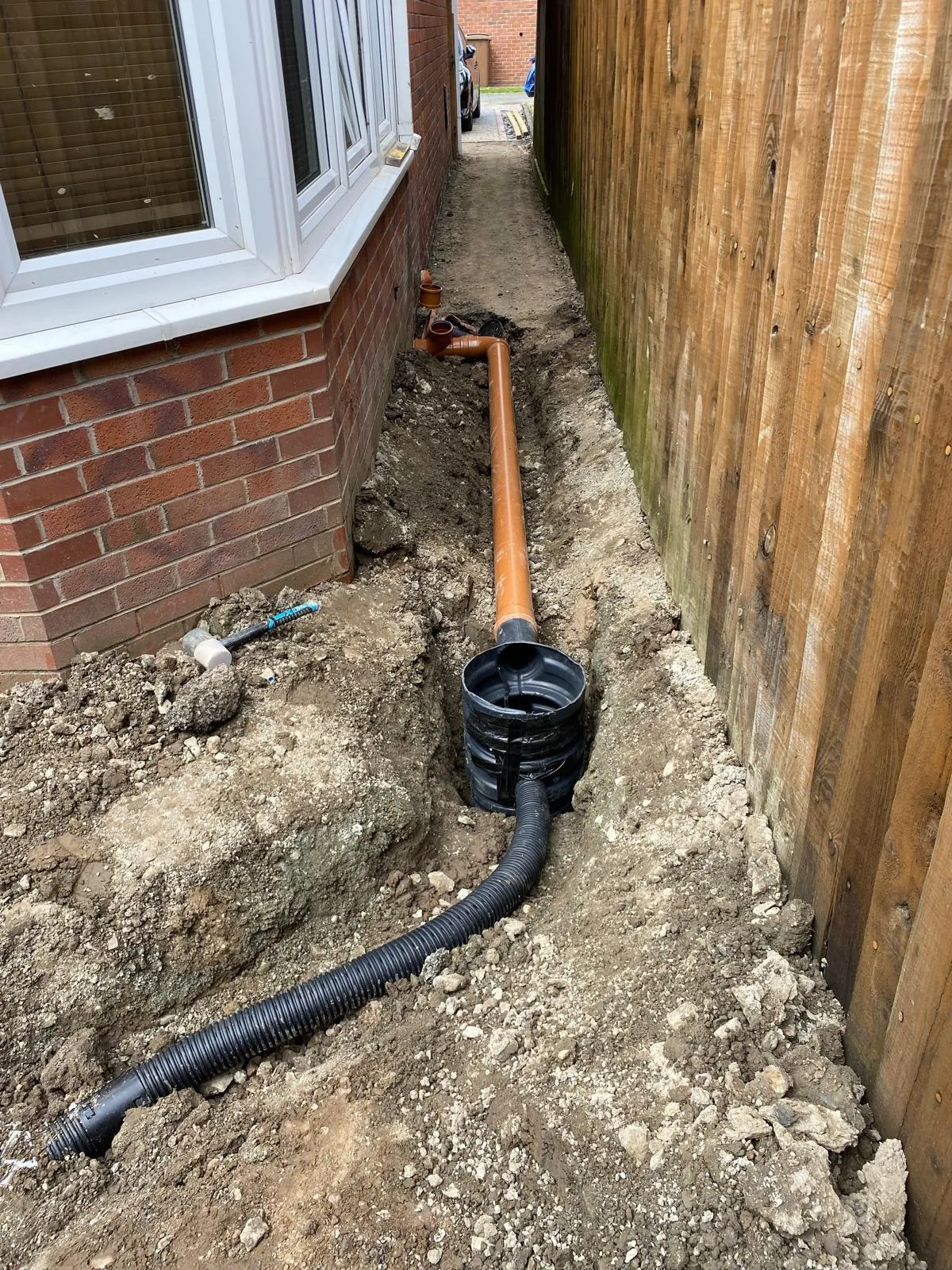
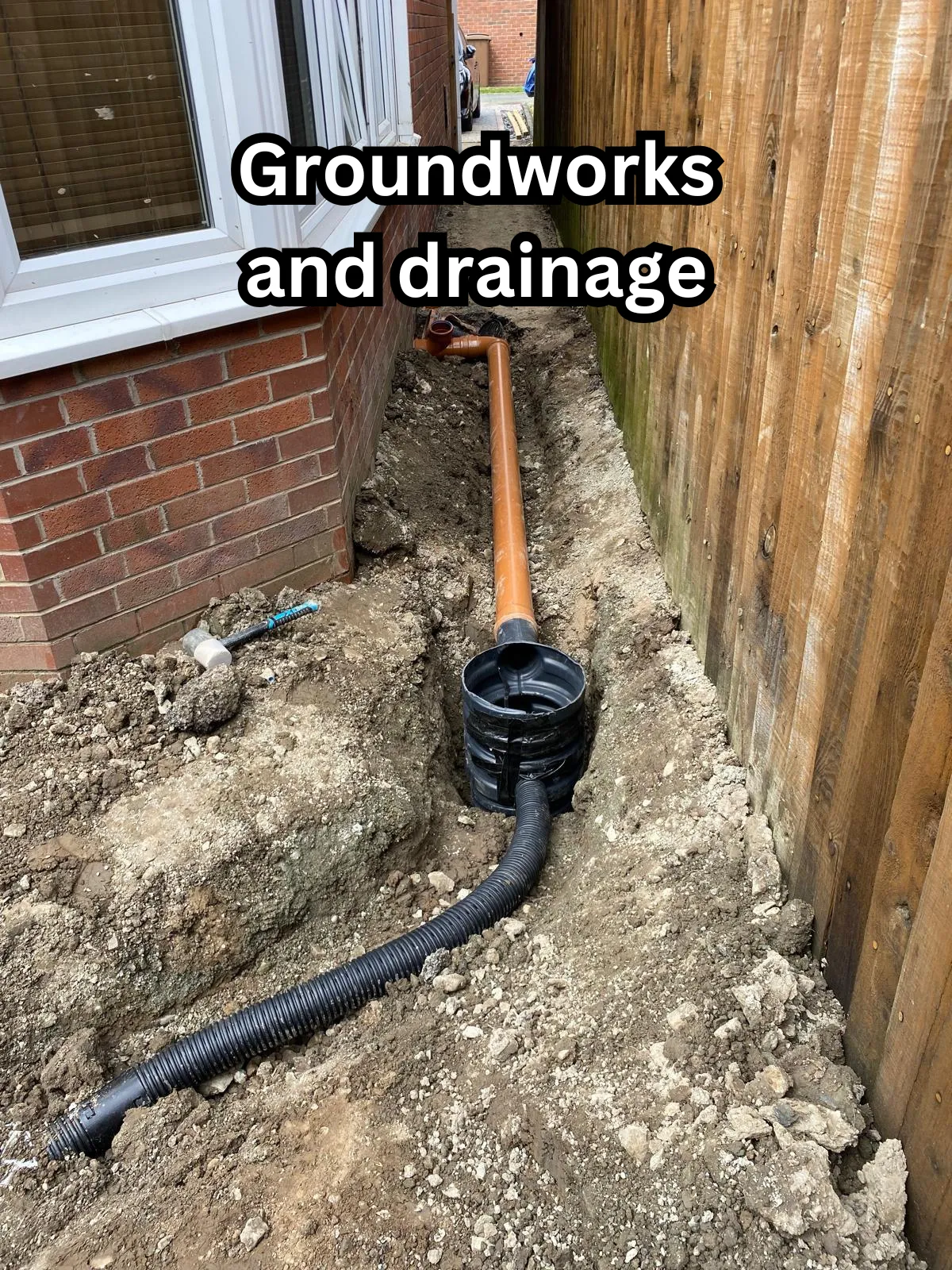
Groundworks and drainage
We carry out groundwork and drainage works to prepare solid foundations, correct ground levels, and manage water flow around your property. Our work helps prevent flooding, subsidence, and long-term structural issues while ensuring a stable base for any building project.
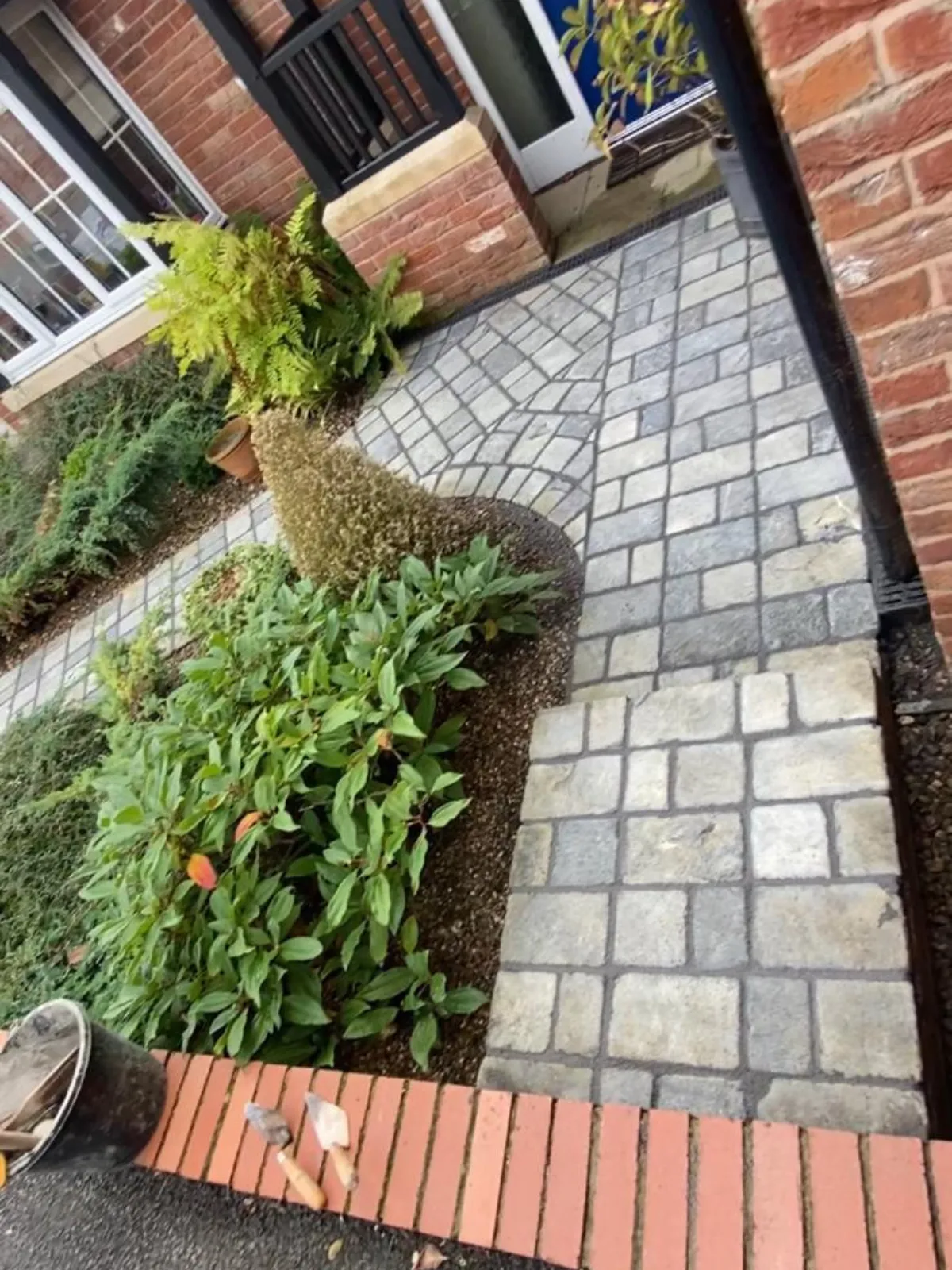
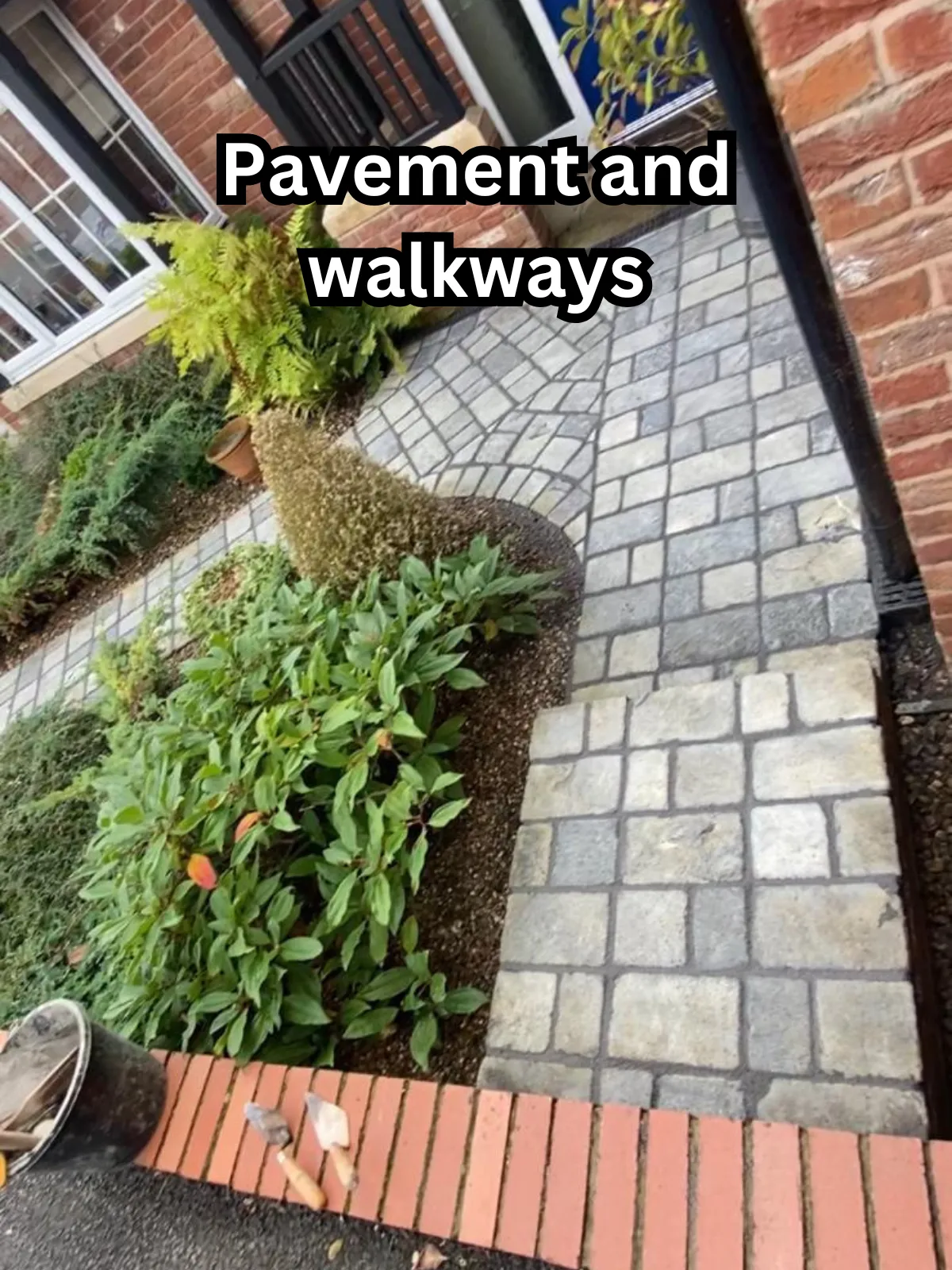
Pavement and walkways
We install and repair pavements and walkways using properly prepared bases and durable paving to create safe, level access routes around your property. Our work improves drainage, appearance, and long-term durability while blending cleanly with the surrounding landscaping.
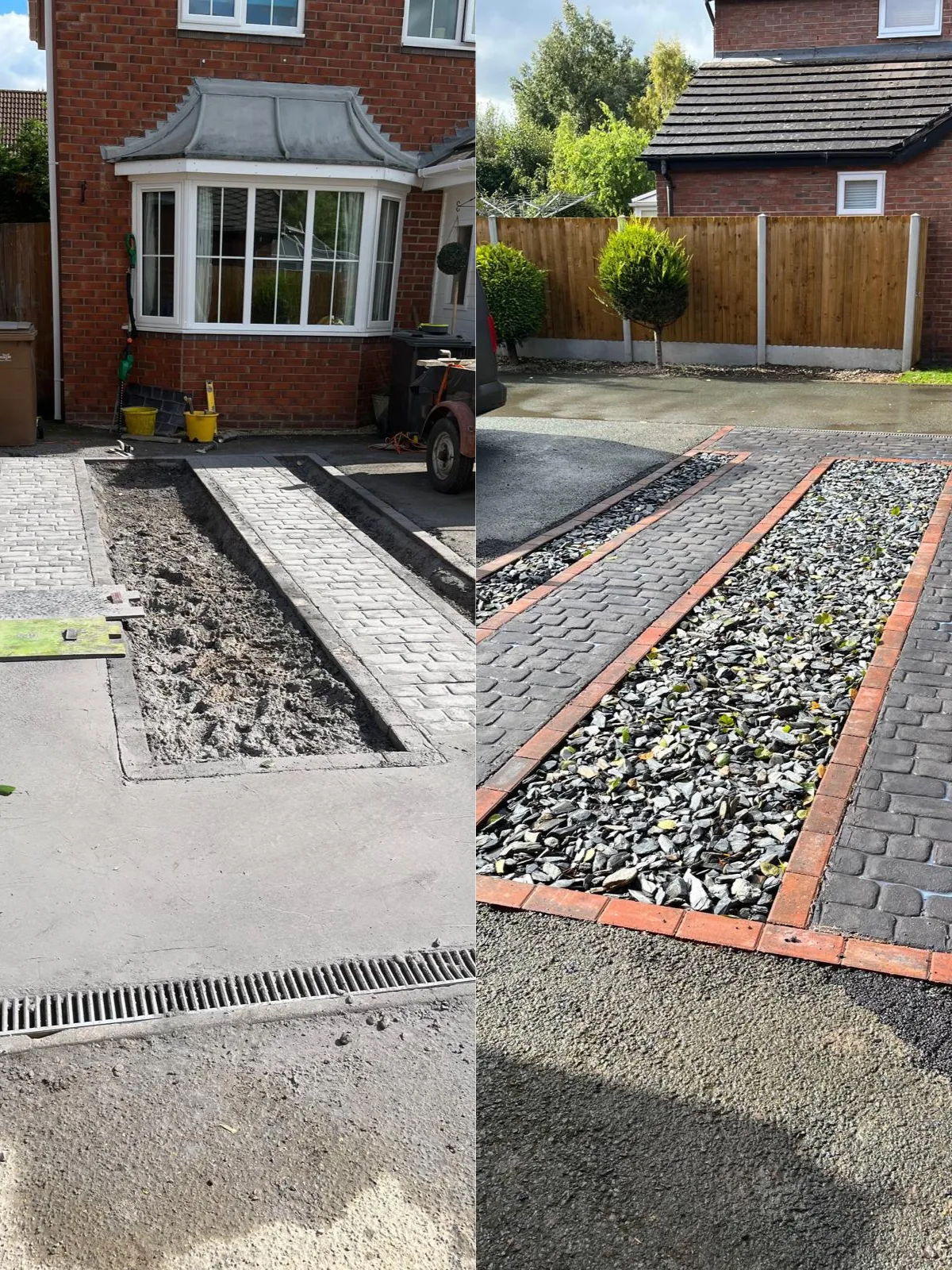
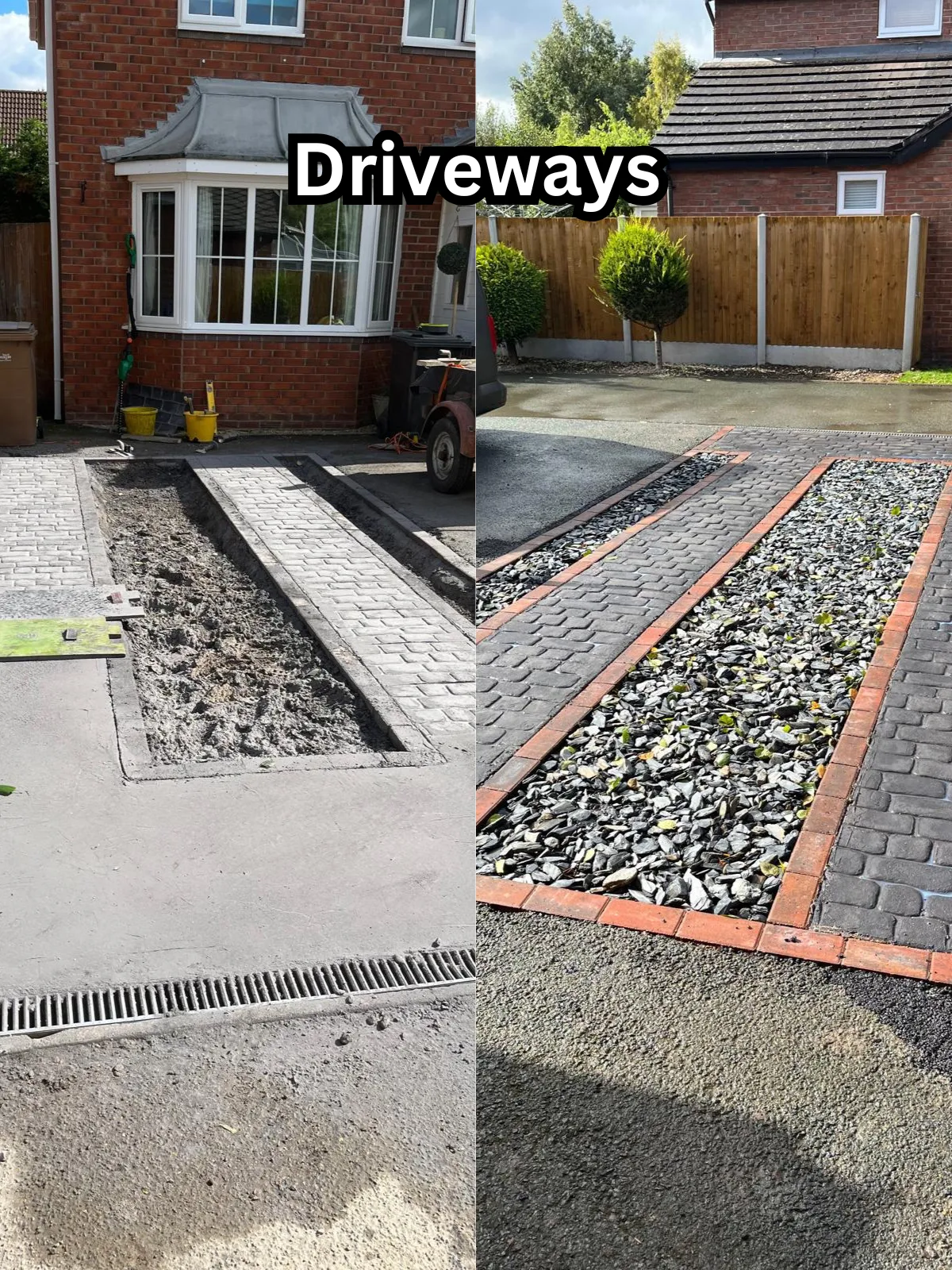
Driveways
We create new driveways using proper excavation, solid sub-base preparation, and professionally laid surfacing to handle daily vehicle use without movement or failure. Our driveway installations improve access, drainage, and kerb appeal while increasing the overall value of your property. Each project is built to last, with careful attention to levels, edging, and water runoff.
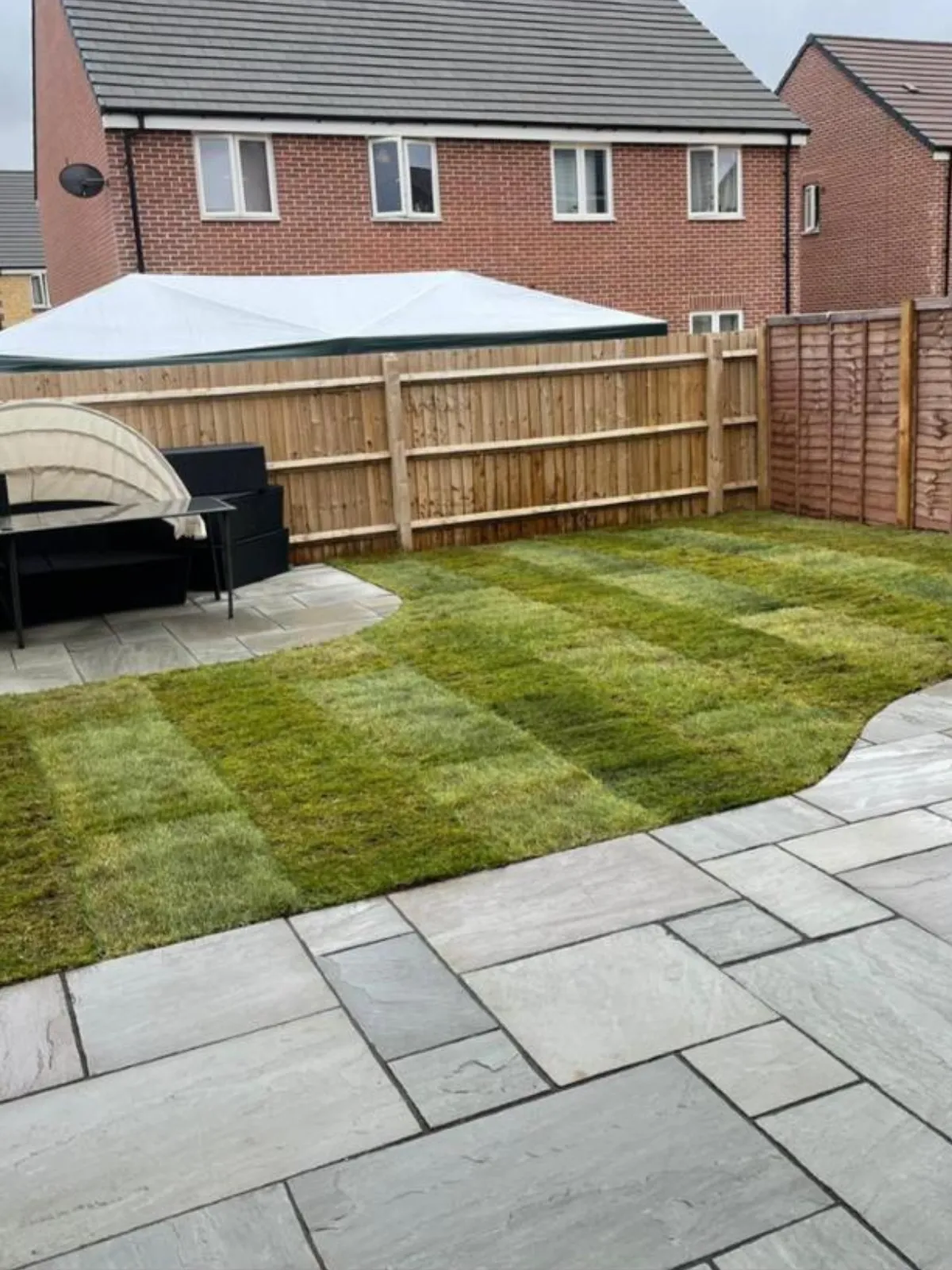
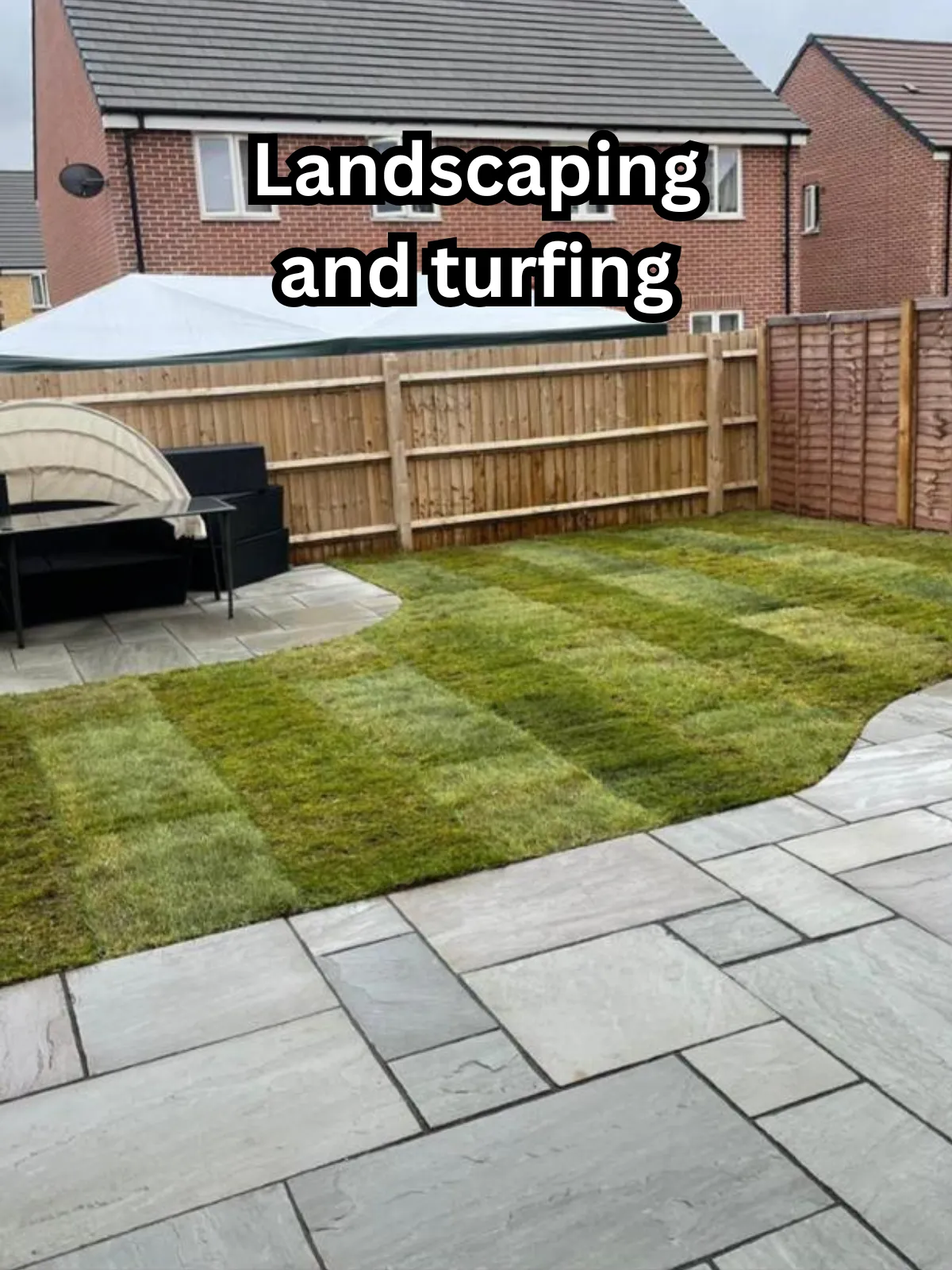
Landscaping and turfing
We carry out professional landscaping and turfing to reshape outdoor spaces, improve ground levels, and create healthy, long-lasting lawns. Our work includes proper ground preparation, soil conditioning, and correct turf installation to ensure strong root growth and even coverage. The result is a clean, usable garden that looks great and performs well in all seasons.
Get Answers to Your Questions
Do you offer free quotes or site visits before starting work?
Yes, we do. We'll give you a call to discuss your project in detail, and it helps massively if you can send over photos of your property—this often allows us to provide a quote over the phone.
We also carry out site visits when needed to ensure an accurate assessment.
What areas do you cover for property and brickwork services?
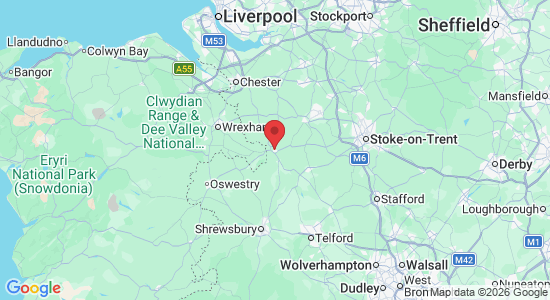
We cover all of Staffordshire and Shropshire, offering expert brickwork, repointing, and property repair services throughout both counties.
Key areas we serve include Stoke-on-Trent, Stafford, Telford, Shrewsbury, and Newcastle-under-Lyme. If you're based nearby and unsure, just reach out — chances are we cover your area too.
Are you fully insured and qualified to carry out structural repairs?
Yes, we are fully insured and qualified to carry out all types of structural repairs, from chimney rebuilds to wall tie replacements and lintel installations.
Our team has years of hands-on experience working with traditional and modern properties, and we follow all relevant building regulations and safety standards.
We hold public liability insurance for your peace of mind, and every job is carried out with professionalism, care, and attention to detail. You're in safe hands with Quinlans Property.
Do I need to organise scaffolding or anything else for the job?
No, you don’t need to worry about organising anything — we handle the entire job from start to finish.
If scaffolding, skip hire, or access equipment is required, we’ll arrange it all for you.
Our goal is to make the process hassle-free, so you can relax knowing everything is taken care of by our team.
How do I know if my property needs repair work?
There are several signs to look out for, such as crumbling or missing mortar, cracks in the brickwork, damp patches inside your home, or loose chimney stacks.
You might also notice bricks looking worn, unstable garden walls, or gaps forming around window and door frames.
If you're unsure, we’re happy to take a look — even a few clear photos can help us assess whether any repair or repointing work is needed.
Operating in Staffordshire and Shropshire
COMPANY
Shropshire & Staffordshire Branch
Orchard Cottage
Damson Lane, Cox bank
Audlem
Cheshire
CW3 0EU
Email: [email protected]


© Copyright 2026. Quinlans Group. All Rights Reserved.